Top Plants Growth Solution – 2025

Agtech - 2025

    Top Plants Growth Solution

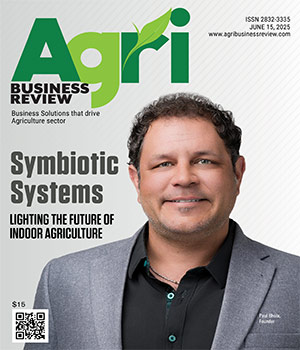
    Symbiotic Systems
    Symbiotic Systems is transforming indoor farming with patented adaptive lighting technology and AI-driven controls. By using narrowband LEDs to deliver precise wavelengths, the company optimizes plant growth, increases yield, and improves crop quality. Its innovative approach offers scalable, efficient solutions for horticulture, medicinal agriculture, and beyond.

Agtech Info

Q1
What Do Top Agtech Companies Do?
Top Agtech Companies develop technologies that help farmers, growers and agribusinesses make better decisions across planting, irrigation, crop monitoring, harvesting and supply chain management. Their offerings can include farm management software, precision agriculture platforms, sensors, drones, artificial intelligence tools and data analytics systems. Rather than replacing farming expertise, these technologies help turn field data into practical action. A delayed irrigation decision or missed pest issue can quickly affect yields. Many agtech companies focus on helping producers spot those issues earlier and respond with greater confidence.
Q2
Why Do Top Agtech Companies Matter More Today?
Agriculture faces pressure from labor shortages, weather volatility, rising input costs and increasing sustainability expectations. Top Agtech Companies have gained attention because growers are expected to produce more while using resources more carefully. Digital tools now help track field conditions, forecast crop performance and improve planning before problems become expensive. Many farms already collect large amounts of data. The challenge is turning that information into decisions that save time and reduce uncertainty. That need continues to drive interest in agricultural technology companies and precision farming solutions.
Q3
How Should Agribusinesses Evaluate Agtech Providers?
Technology demonstrations are useful, but real-world testing matters more. Agribusinesses should evaluate how well a platform fits existing workflows, equipment and reporting requirements. A strong provider should explain how data is collected, validated and presented to users. It is also worth reviewing implementation support, training and long-term service availability. For example, a crop intelligence platform should be tested against actual field conditions rather than sample dashboards alone. Buyers often discover the most important differences when they see how a system handles incomplete data, changing weather conditions or unexpected field events.
Q4
What Business Value Can Agtech Deliver?
The value extends beyond yield improvement. Many agricultural technology providers help reduce input waste, improve labor planning and make it easier to monitor large farming operations. Better visibility into field conditions can support more accurate budgeting and procurement decisions. In some cases, technology helps growers identify issues before they spread across an entire field. Small improvements repeated across hundreds or thousands of acres can have a meaningful financial impact. Reduced scouting time, improved resource allocation and clearer reporting are often just as important as production gains.
Q5
How Are AI, Automation and Data Changing the Agtech Landscape?
Many of today's Top Agtech Companies combine satellite imagery, machine learning, predictive analytics and automation to generate actionable insights. Instead of simply collecting information, modern platforms increasingly help users prioritize actions. Some systems forecast crop performance while others identify disease risk, irrigation needs or market opportunities. The technology itself is important, but so is how clearly it explains recommendations. Most farm managers do not need another dashboard. They need information that helps them decide what to do next and why that action matters.
Q6
What Should Decision-Makers Prioritize When Comparing Top Agtech Companies?
When comparing Top Agtech Companies, decision-makers should focus on practical outcomes rather than feature counts. Ease of adoption, quality of support, data reliability and integration with existing equipment often matter more than the newest technology. It is also important to understand how the provider handles updates, customer training and long-term scalability. Farms, cooperatives and agribusinesses operate under different conditions, so the best fit depends on actual business needs. A platform that saves time during planting, irrigation or harvest can ultimately provide more value than one with an extensive list of rarely used features.